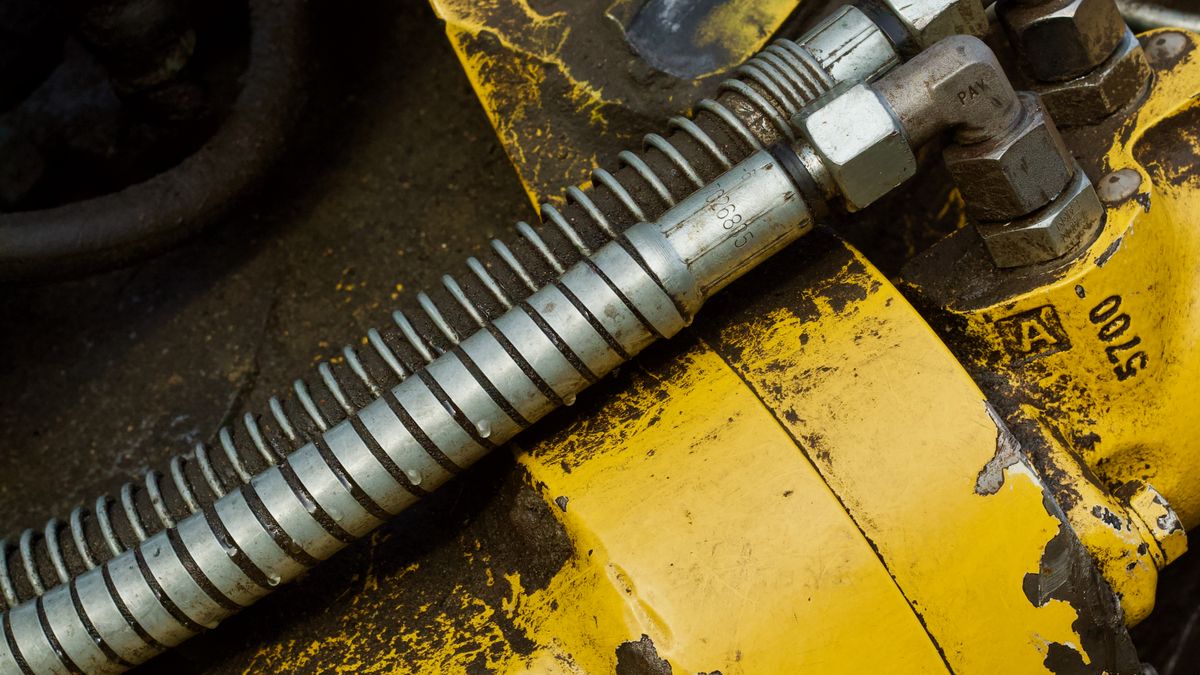
Hydraulic Service is one of the most common reasons operators across Toronto and the GTA call NIRO Technical Solution — and nine times out of ten, the trigger is a leak. The good news: not every hydraulic ram leak is an emergency. The hard part is reading which of the four leak types you are actually looking at, because each one carries a very different level of urgency and a very different repair.
Get the diagnosis wrong in either direction and it costs you. Park a machine over a harmless rod weep and you lose a day of production for nothing. Keep lifting on a cylinder that is bypassing internally and you risk dropping a load — the kind of incident that ends with a damaged machine, or worse. This guide is how our technicians sort a hydraulic leak in the field, in the order they actually do it.
First, stop guessing: clean the cylinder
Before you diagnose anything, wipe the rod and the cylinder body completely dry, then run several full extension and retraction cycles. This single step eliminates most false alarms. Oil migrates — a film that ran down from a fitting above can look exactly like a rod seal leak until you clean everything and watch where it truly returns.
A leak you cannot reproduce after cleaning is residue, not a fault. A leak that returns immediately tells you the two things that decide everything else: where it originates, and how fast it is moving. Note both before you reach for a wrench.
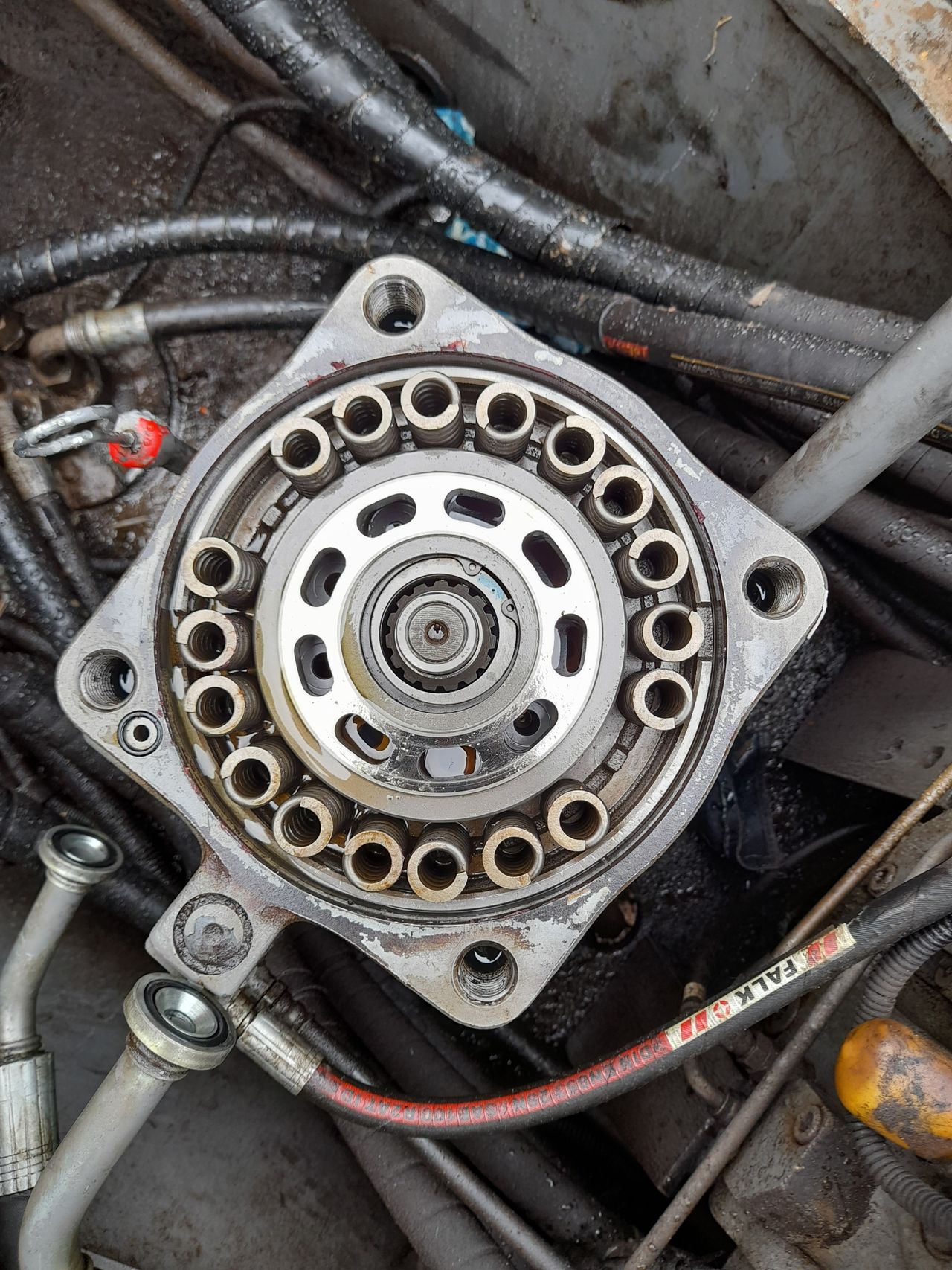
1. Rod seal weep — usually nothing to worry about
A thin film of oil on the rod after a full extension is normal on higher-hour cylinders. The rod seal is doing exactly what it is designed to do: hold a controlled film that lubricates the seal lip on retraction. A perfectly dry rod would actually wear the seal faster.
If you wipe the rod clean and only a light sheen returns over many cycles — not a drip, not a running bead — keep working and monitor it. This is the leak operators worry about most and need to worry about least. Note the date and the rate so you can tell later whether it is stable or getting worse.
What to watch for
- Stable light film over weeks: monitor, no action
- Film turning into a measurable drip: move it up to category 2
- Rod surface scored or pitted: the rod is damaging the seal, not the reverse — book an inspection
2. Active seep at rest — days, not weeks
Park the machine, leave it completely still for thirty minutes, and look for a fresh drip forming. A leak that builds while the cylinder is static means the seal is failing rather than simply weeping under motion. The machine is still usable, but you are now on a clock measured in days.
The right move is to schedule a reseal before you lose load-holding capacity — ideally on-site, before the cylinder strands the machine in the middle of a job. A planned reseal in your yard is a fraction of the cost and downtime of an emergency one on a job site.
3. Internal bypass under load — stop immediately
This is the dangerous one, and the one operators miss most often, because it frequently shows no external leak at all. The symptom is drift: you raise a load, and over seconds or minutes it slowly settles on its own. That means the piston seal inside the cylinder is bypassing — oil is slipping from one side of the piston to the other.
A cylinder that cannot hold a rated load is not safe for lifting, full stop. Take the machine out of service and have the cylinder rebuilt before anyone works under or around a suspended load. There is no watch-it-for-a-few-days with internal bypass — the failure mode is sudden.
4. End cap or port weep — it depends on the body
Leaks at fittings, ports, and machined faces behave differently depending on the cylinder construction, and this is where the wrong instinct does real damage.
- Steel cylinders: a weep at a port or end cap often responds to re-torquing the fitting to spec. Check the torque value before you crank on it.
- Aluminium bodies: do not over-torque. You will crack the thread boss and turn a thirty-dollar O-ring job into a new cylinder. An aluminium body weeping at a port is one to hand to a technician.
The mistake that costs machines
The single most expensive error is treating all four leaks the same way — either ignoring an internal bypass because it is not even dripping, or scrapping a good cylinder over a harmless rod weep. A rod seal kit can cost less than fifty dollars. The machine it sits in can cost hundreds of thousands, and the load it is holding can cost far more than that. Knowing the difference protects all three.
Here is the field summary our technicians work from:
- Rod weep: monitor, keep working
- Seep at rest: schedule a reseal within days
- Bypass under load: out of service now
- Port or cap weep: re-torque on steel, technician on aluminium
What makes hydraulic seals fail early?
If you are resealing the same cylinder every season, the seal is a symptom, not the cause. The usual culprits in Ontario operations are:
- Contaminated fluid — grit acts like sandpaper on seals and rods; keep your filtration current.
- Water in the oil — common after winter, it degrades seals and corrodes rods.
- A scored or pitted rod — once the chrome is damaged it keeps eating seals until the rod is repaired or replaced.
- Side loading — a bent rod or worn pins put uneven pressure on the seal and wear one side out.
A proper rebuild addresses the cause, not just the seal — otherwise you are back in a month.
On-site hydraulic repair across the GTA
Most hydraulic ram repairs do not need to leave the job site. NIRO's mobile Hydraulic Service covers on-site cylinder repair and rebuild across Toronto and the surrounding GTA, so a failing seal does not have to mean days of downtime and a flatbed to a shop. If you are not certain which of the four leaks you are looking at, request a quote or call us — we can often narrow it down over the phone before a truck even rolls.